Patchwork Club
Wanna start doing patchwork?
Here is a runaway!
Who we are
Patchwork Club is a community of fabric-lovers who are obsessed with doing fancy patchwork things. Feel free to join if you share the passion.
Join nowIf you don't know what patchwork is, below is brief info to fall in love with it.
What is patchwork?
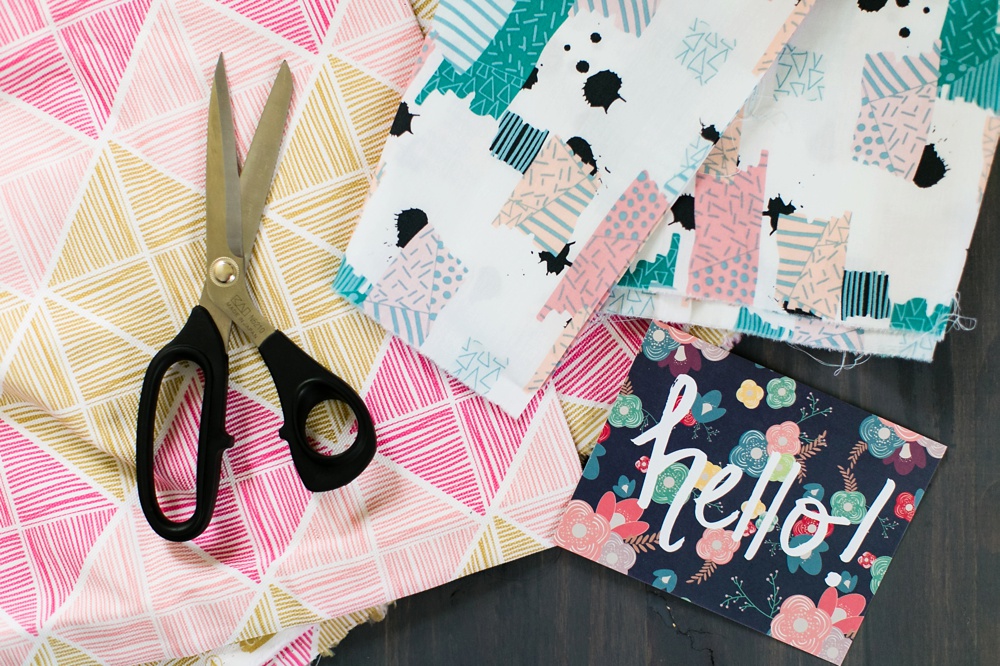
Patchwork or "pieced work" is a form of needlework that involves sewing together pieces of fabric into a larger design. The larger design is usually based on repeating patterns built up with different fabric shapes (which can be different colors).
Wikipedia
Tools
These tools will make your process easier and more effective
Rotary cutter
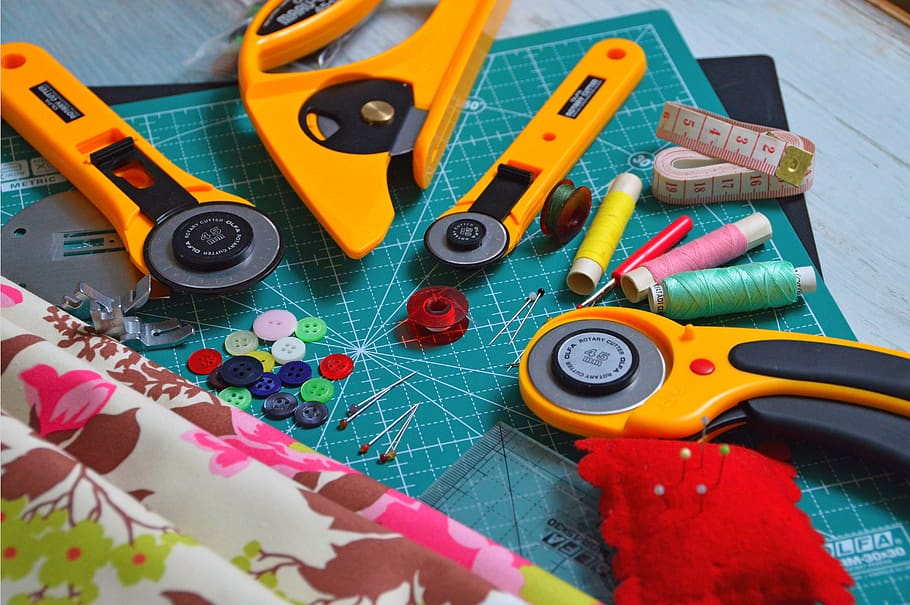
A rotary cutter, sometimes called a rotary fabric cutter, or fabric cutter roller is essentially a spring loaded circular razor blade that is attached to a handle (it looks a bit like a pizza cutter) that can be used to cut fabric or paper for sewing, quilting, and paper crafts.
Cutting mat
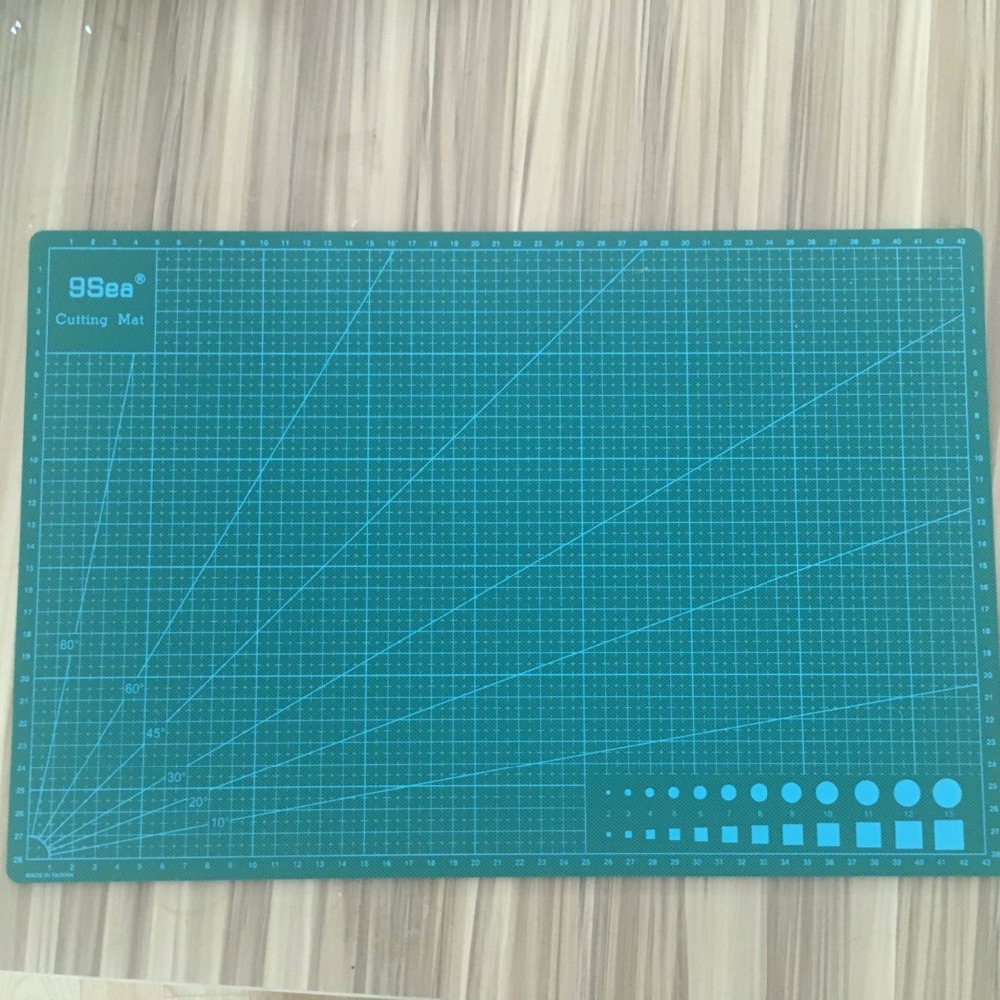
It protects the work surface from damage, and prevents your knife blade from dulling quickly. Cutting mats are described as either hard-surface or self-healing (soft surface).
Quilting ruler
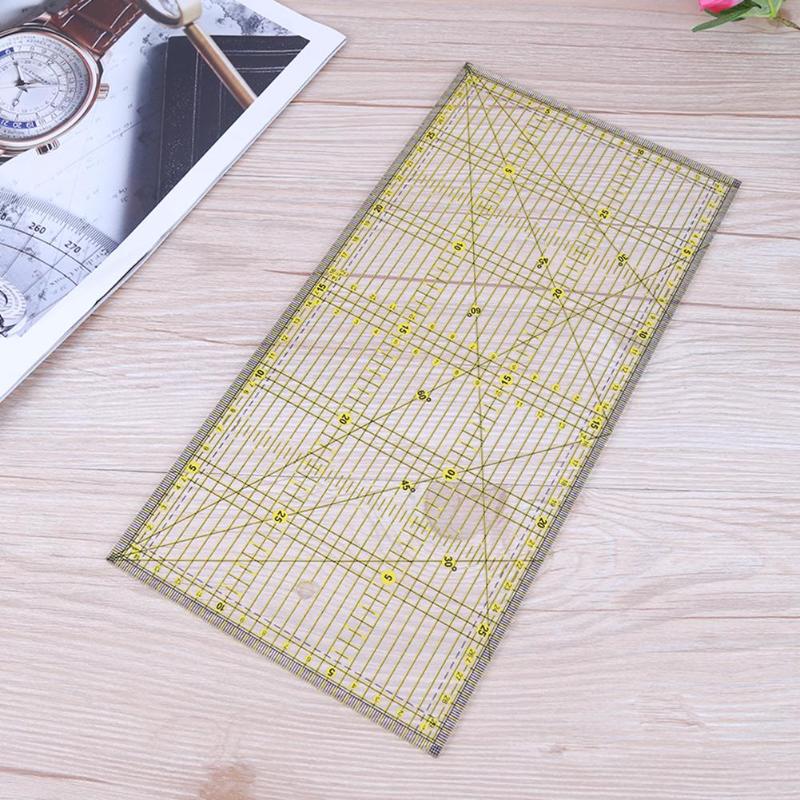
A quilting ruler is a must-have for every patchwork maker, from novices to experts alike. To check your blocks and trim away any excess, square rulers are best. If you make patterns with large blocks, invest first in a 12.5″ or 15.5″ square ruler.
This doesn't mean you cannot create masterpieces without the tools.
All in all, your hands and mind are what really matter.
Fabric
How can you chose a good fabric for patchwork? Here are tips for newbies
- As a general rule, woven fabrics like cotton, linen and cotton-linen blend are great choices as fabrics for beginners because they do not slip or stretch that much.
- Quilter’s weight cotton is typically accepted as the best fabric for patchwork. It is a high quality 100% cotton fabric, comfortable for cutting and sewing.
- Home decor weight cotton is a heavier cotton that often has a sateen finish. It’s perfectly suited for quilted home decor. While this fabric doesn’t drape well because of its heavier weight, it is the perfect fabric for quilted bags, quilted pillows and throw cushions where just a little extra “body” is desired.
- Essex Linen is a natural fiber fabric blend of 55% linen and 45% cotton. Many quilters like the texture Essex Linen brings to their quilting projects and routinely mix this natural fiber linen/cotton blend with quilting weight cottons.
- Stay away from knitted fabrics like shiny polyester, silk, rayon and cotton jersey for now.
- Whatever fabric you chose be sure to prewash and dry it before beginning any cutting or sewing in order to avoid shrinkage and fit issues after the garment is completed.
Colors
Techniques
There are different techniques (or styles) of patchwork, so you can choose which one will express you creativity better.
Some of them are:
English paper piecing (or paper piecing) is a method of attaching and stabilizing pieces of fabric together, based on foundation piecing. The practice's name comes from the fact that it was, and still is, popular in Britain.
English paper piecing involves stabilizing fabric around a paper shape before sewing the pieces together to create intricate designs. It is most effective for designs that don't have long straight sides but do have numerous set-in corners, such as the hexagon shapes.
Because it's done by hand, it makes the perfect on-the-go project.
Derived from the Japanese boroboro, meaning something tattered or repaired, boro refers to the practice of reworking and repairing textiles (often clothes or bedding) through piecing, patching and stitching, in order to extend their use.
Patchwork blocks are pieced squares made up of colored shapes that repeat specific shapes to create patterns within the square or block of, say, light and dark or contrasting colors (motif).
The blocks can all repeat the same pattern, or blocks can have several different patterns. The patchwork blocks are typically around 8–10 in2 (52–65 cm2). They are sewn together in stacked rows to make a larger composition. Often strips of contrasting fabric forming a lattice separate the patchwork blocks from each other.
Some common patchwork blocks are:
- Log Cabin Block
- Half Square Triangle Block
- Flying Geese Block
- Bear Paw Block
- Nine Patch Block
- Rail Fence Block
Lessons
Watch free lessons and get inspired by our collegues from "Jordan Fabrics".
And don't forget to join Patchwork Club to recieve tutorials and other useful information by email, take part in contests and get new friends
Join now